Dissecting the UK’s Approach to Small Boat Crossings
Over the past weekend, the English Channel once again made headlines. A spike in small boat crossings reignited public concern and political commentary, with familiar phrases like “crisis,” “surge,” and “crackdown” dominating media coverage. Yet beneath the noise lies a pressing question: Is the UK responding to migration thoughtfully, or simply reacting under pressure?


A Pattern of Panic
The numbers rise—and so does the rhetoric. Government officials speak of deterrents, emergency legislation, and border security, while headlines heighten public anxiety. The political response often appears reactive, focused on short-term containment rather than long-term planning.
In recent years, the UK has rolled out policies designed to deter irregular crossings. From controversial deals with third countries to the Illegal Migration Act, the underlying message has been clear: don’t come here this way. But the persistence—and increase—of crossings suggests that deterrence isn’t working as intended. In fact, it may be missing the point entirely.
Who’s in the Boats?



Lost in many of these debates are the human beings behind the statistics. Many are fleeing persecution, war, or environmental disaster. Some are children, travelling alone. Others are families with young children, driven by desperation rather than opportunism.
Critics often frame small boat crossings as a matter of legality or security. But for many migrants, legal routes to the UK are virtually non-existent. Refugee resettlement quotas are limited, and the asylum process is slow and uneven. For those with legitimate claims, there is often no safe or legal way to seek protection—leaving the Channel as a dangerous last resort.
Consequences for Local Systems
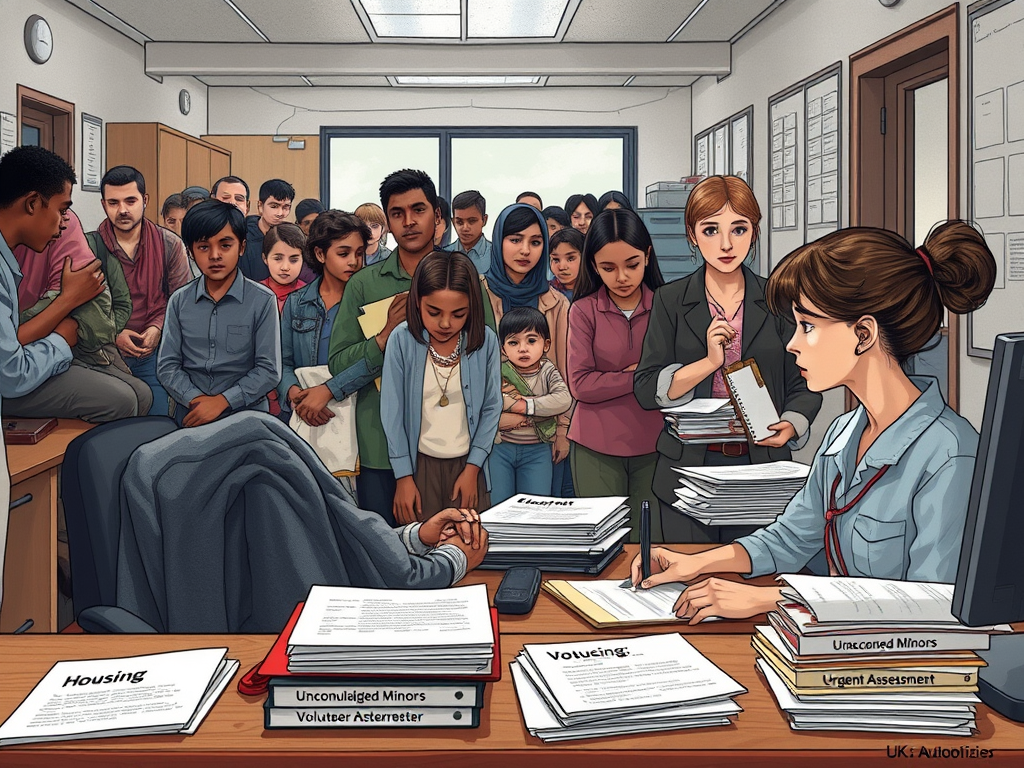

For local authorities and social care systems, this reactive national stance has consequences. When arrivals spike suddenly, there’s often little coordination with councils, NHS services, or voluntary organisations. Unaccompanied minors can be left in limbo, while overstretched systems scramble to provide housing, education, and mental health support.
This isn’t just inefficient—it’s unjust. Without a coordinated, adequately resourced response plan, frontline services are left to absorb the shock of national indecision.
What Would a “Response” Look Like?
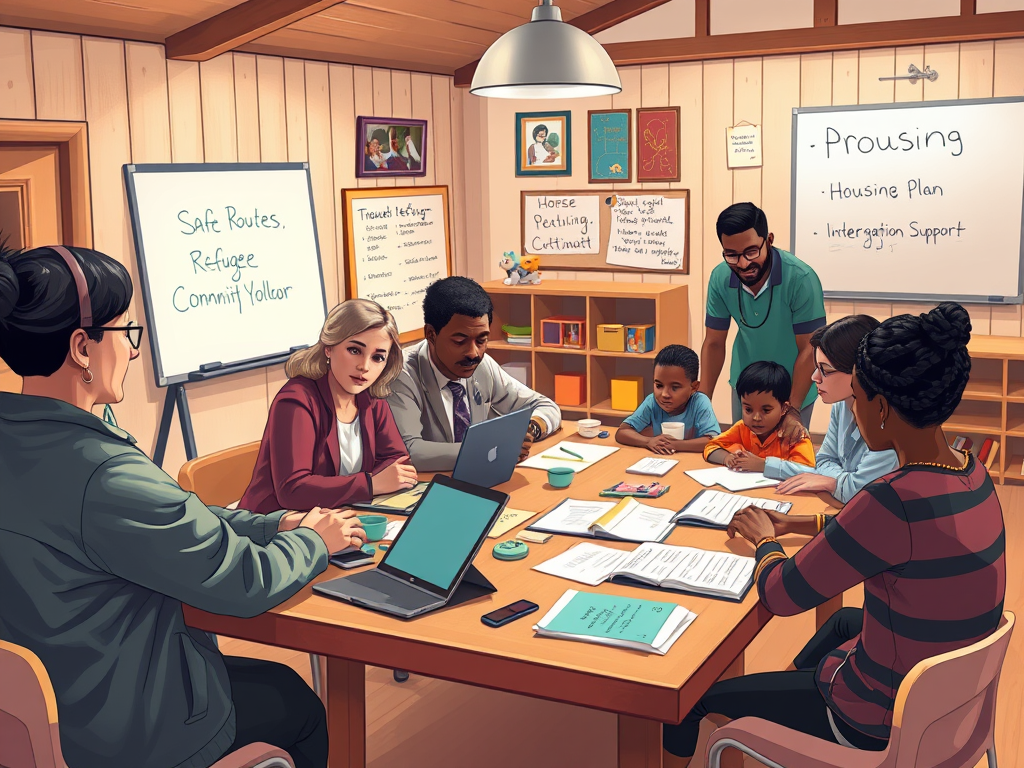


A genuine response requires more than border patrols and headline-driven policy. It calls for a strategy grounded in evidence, compassion, and responsibility. Here’s what that might include:
- Expanding safe and legal routes for asylum seekers, especially for children and vulnerable adults
- Improving asylum processing times to prevent limbo and backlog
- Partnering with local authorities to plan resettlement proactively
- Investing in integration, so that new arrivals can contribute and settle effectively
- Addressing root causes through foreign policy, aid, and international cooperation
Most importantly, it means shifting the public narrative. Migration is not a problem to “solve,” but a reality to manage humanely, intelligently, and collaboratively.
Final Thoughts
The boats may be small, but the questions they raise are enormous. If we continue to react with panic and punishment, we risk eroding not just our immigration system, but our values. Responding thoughtfully means recognising the complexity of migration, the humanity of those involved, and the capacity of our institutions to do better—with planning, not panic.
What do you think? Is the UK ready to rethink its approach? Share your thoughts in the comments or join the conversation on social care and migration policy.
🤝 Charities and Organisations Supporting Migrants in the UK
1. Refugee Council
- Provides support to refugees and people seeking asylum
- Specialist help for unaccompanied children, families, and those at risk
- Engages in policy advocacy and campaigns for safer routes
2. Care4Calais
- Grassroots charity providing direct aid to refugees in northern France and UK asylum accommodation
- Offers clothing, essentials, legal support, and dignity to those crossing the Channel
- Often first to respond during spikes in boat arrivals
3. Detention Action
- Supports people held in UK immigration detention
- Campaigns against indefinite detention and for fairer asylum systems
- Offers casework support and legal referrals
4. The Joint Council for the Welfare of Immigrants (JCWI)
- Legal advocacy and campaigning organisation
- Defends the rights of all migrants and challenges unjust laws
- Supports asylum seekers through strategic litigation and public education
5. Freedom from Torture
- Provides psychological and therapeutic support to survivors of torture
- Often works with asylum seekers from conflict regions
- Champions trauma-informed approaches in asylum policy
6. British Red Cross – Refugee Services
- Offers emergency support, reuniting families, orientation, and destitution relief
- Assists those arriving via small boats and in asylum hotels
- Runs services in key port and inland cities
7. Migrants Organise
- A platform for migrant-led community organising
- Provides casework, mentoring, and leadership development
- Advocates for dignity and justice in migration
8. Asylum Aid
- Legal charity focused on complex asylum claims (women, children, stateless people)
- Fights for fair access to justice in the asylum system
- Supports those failed by the current process
9. Safe Passage International
- Campaigns for legal routes for child refugees and vulnerable groups
- Helped hundreds reunite with family in the UK
- Pushes for family reunion rights and safer alternatives to dangerous crossings
10. Doctors of the World UK
- Provides healthcare access for migrants and asylum seekers
- Offers mobile clinics and GP support to those excluded from NHS care
- Advocates for healthcare as a human right
🧭 International but Relevant
– UNHCR UK (UN Refugee Agency)
- Offers support, protection, and advocacy for refugees globally
- Works with the UK government on international obligations and safe resettlement
 Navigating with ZabethJ
Leave a comment